No one builds alone: Interdependence shapes risk, responsibility, and reward

Article

No one builds alone: Interdependence shapes risk, responsibility, and reward

Gerry Brannigan

Partner, Forensic Technical Services, Growth Development Lead

gerrybrannigan@hka.com

Expert Profile

If you’ve ever spent time on a construction site or in a design team meeting, you’ll know that progress isn’t just about technical know-how; it’s about trust, timely information, and people talking to one another. When someone drops the ball, everyone feels it. Sometimes, the consequences are not just costly, but they can also lead to legal wrangling.

In this industry, interdependence isn’t a buzzword; it’s the reality that underpins every project. From my experience as an expert witness, I’m usually brought in when that interdependence breaks down, and the fallout can be significant for everyone involved.

Interdependence in Practice

Complex projects are a system of systems. Architectural intent, structural design, building services, fire and life safety, façade, geotechnical, and digital engineering all interlock. Trade contractors and suppliers implement and prove performance. If interfaces are unclear, design maturity is uneven, or specialist inputs are engaged too late, risk escalates, leading to rework, delay, and disputes.

Industry evidence backs this up. The CRUX 2025 dataset, covering more than 2,200 projects worldwide, reveals that sums in dispute average 33% of the contract value and claimed extensions of time at 66% of planned schedules, with design and coordination failures prominent, especially when teams attempt to “speed the build.” These aren’t abstract numbers; they reflect the real cost of under-managing interdependence.

“If interfaces are unclear, design maturity uneven, or specialist inputs engaged too late, risk escalates, leading to rework, delay, and disputes.”

What the Courts Expect

Recent legal decisions increasingly recognise the realities of how interdependent our projects have become. Recent cases highlight the importance of clarity, responsibility, and proactive management. Key lessons include:

Workman Properties Ltd v ADI Building & Refurbishment Ltd [2024] EWHC 2627 (TCC)

Lesson: If you undertake to complete and verify design under an amended JCT DB contract, a single sentence in the Employer’s Requirements won’t shield you from responsibility. Consistency across the contract suite is essential. Interdependent teams must check the design before proceeding.

BNP Paribas Depositary Services Ltd v Briggs & Forrester Engineering Services Ltd [2024] EWHC 2903 (TCC)

Lesson: Accepting full design responsibility can include existing site conditions. Suspending or terminating work without properly owning those risks may amount to a repudiatory breach. Safety-critical upgrades necessitate a comprehensive, whole-system approach across all interfaces.

Building Safety Act 2022 (and Willmott Dixon Construction Ltd v Prater & Ors [2024] EWHC 1190)

Lesson: With the introduction of the Building Safety Act (BSA) and recent case law, we’re seeing broader duties and longer periods during which claims can arise decades after completion. Building Liability Orders can extend responsibility to related companies. This shift means that it is more important than ever to maintain thorough records (from design decisions to compliance checks), as these documents may be called upon long after the project handover.

The Interdependence Framework

Lessons from disputes and industry data demonstrate that a clear, deliberate, structured approach is needed if we want to avoid repeating the same mistakes. Below are practical steps to help teams manage interdependence effectively and reduce the risk of disputes at every stage of a project.

A) Contract & Responsibility Mapping (before design)
Start by ensuring roles and responsibilities are clearly defined and aligned across all project documents.

  • Define “design completion” explicitly. Align responsibilities across Employer’s Requirements, schedules, and bespoke amendments.
  • Set a document hierarchy. Clarify how performance obligations (e.g., design life, standards) interact with general duties.
  • Establish reliance pathways. Confirm who may rely on which reports; obtain assignments/consents for third-party data.
  • Plan the compliance trail. Under the BSA, keep decisions, calculations, test evidence, and change logs accessible and complete.

B) Collaboration & Programme Management (before you procure)
Early and ongoing collaboration is crucial to managing risk and ensuring the smooth delivery of projects.

  • Engage specialists early. Fire, façade, controls/BMS, smoke modelling, acoustics, and geotechnical should be brought in before design freeze.
  • Run an interface register with RACI (Responsible, Accountable, Consulted, Informed). A living matrix that names owners, inputs/outputs, acceptance criteria, and dates.
  • Govern the model. BIM change control, traceable RFIs, no “shadow drawings,” and interface signoffs before IFC release.
  • Gate the programme. Hold cross-discipline reviews at 30%, 60%, and 90% design; use hold points before ordering long-lead items.

C) Assurance & Commissioning (before handover)
As projects near completion, the importance of robust assurance and commissioning processes cannot be overstated. This stage is where the effectiveness of earlier collaboration and coordination is truly put to the test. Ensuring that systems work together as intended and that all interfaces are closed and documented protects all parties from future disputes and operational failures.

  • Scenario testing. Cause & Effect and failure scenario testing (e.g., power loss, smoke control); witness tests with photo/video records.
  • Evidence packs. Assemble certificates, calibration sheets, and compliance documents that are fit for audit and legal scrutiny.
  • Interface closure. Confirm physical and digital interfaces are locked, documented, and accepted by all affected parties.

“… the issues that lead to claims and litigation could have been avoided with better consideration and coordination early in the process.”

Role‑Specific Action Points

Everyone involved in a construction project, whether client, designer, or contractor, has a distinct part to play in making collaboration work. Time and again, CRUX data and my own experience have shown that many disputes could have been avoided with clearer coordination and responsibilities agreed from the outset. When each party takes ownership of their role and makes the effort to engage early, the whole team stands a much better chance of steering clear of unnecessary risk and delivering a successful project.

Employers/Clients
The foundation for successful interdependence is laid at the outset. This means structuring contracts, project management, programme management, and design processes to actively foster collaboration and recognise the interconnectedness of all contributors. Learning from the patterns highlighted in CRUX data, clients should require early specialist engagement, mandate the use of a formal interface register, and insist on BIM governance as part of the deliverables. Incentivising design maturity before starting on site by setting hold points and quality gates tied to payment milestones can help embed collaboration into the project’s DNA, reducing the likelihood of disputes later.

“The reality, as CRUX data highlights, is that many disputes stem from late or incomplete design information.”

Designers (Lead and Specialists)
From my own time working as a designer, I know that managing interfaces is about far more than producing drawings. It means keeping an eye on what’s happening both upstream and downstream, double-checking the information you’re given, and speaking up early when you spot gaps or inconsistencies. The reality, as CRUX data highlights, is that many disputes stem from late or incomplete design information. Good designers don’t just focus on their own discrete disciplines; they make sure their work fits the bigger picture, stays within budget and performance targets, and they’re not afraid to raise the alarm if something doesn’t add up.

Regular cross-disciplinary design reviews are invaluable, not only for ensuring that all interfaces are covered and requirements properly understood, but also to demonstrate how much each discipline depends on others. Scenario testing and keeping a clear record of decisions and assumptions are also essential. This approach doesn’t just support your own discipline; it enhances the overall design, strengthening the entire project team and helping prevent misunderstandings that can escalate into disputes.

Contractors
Contractors turn coordinated designs into reality on site, and that’s no small feat. It’s not just about following drawings; it’s about staying on top of all the moving parts, ensuring packages are properly coordinated, and challenging unresolved interfaces or late changes before they become real problems.

The best contractors tie their programme to design maturity and information flow, rather than just pushing ahead for the sake of progress.

It’s also crucial for contractors to understand what design responsibility they assume at handover, whether completing, developing, or verifying it. This means they need to carefully review what has been handed over, identify any gaps or ambiguities, and ensure those are addressed before moving forward. Leading the commissioning process, planning scenario tests, and ensuring clear evidence of acceptance across all parties makes a huge difference.

CRUX data and past disputes have shown consistently that anticipating common pitfalls and addressing them early is what helps keep projects on track, rather than hoping issues will resolve themselves at a later date.

Conclusion

Successful delivery really does come down to recognising and managing interdependence right from the start. That means thinking carefully about how contracts are structured, how project and programme management are organised, and how design processes are structured to foster genuine collaboration. Responsibilities must be clearly defined, and everyone should know who is responsible for closing out which interfaces between packages. When these aspects are addressed early, the team can prevent the kinds of pitfalls that so often escalate into costly disputes. Disputes that drain valuable management time, disrupt business operations, cut into profits, and sap the enjoyment and satisfaction that should come from delivering a successful project. The payoff is a project that not only meets the client’s needs but also stands as a shared success everyone can genuinely be proud of.

Employers/Clients: Are your contract conditions, management structures, and programme gates designed to enable collaboration and close interfaces early, or to push risk downstream?

Designers: Are you engaging other disciplines and specialists early, managing interfaces transparently, and designing to budget and performance so others can rely on your work?

Contractors: Are you proactively coordinating packages, linking programme logic to design maturity, and identifying interface risks before they escalate?

All parties: Are you treating interdependence as a core project value (evidenced in plans, behaviours, and records) or leaving it to chance?

Key InsightWhat This Means for Your Project
Interdependence is EssentialThe success of every discipline relies on collaboration across all teams.
Multi-Disciplinary Coordination Saves MoneyUnclear interfaces and late engagement between disciplines drive costly disputes, delays, and overruns.
Legal expectations are risingCase law and the Building Safety Act require clear roles, robust documentation, and proactive management of interfaces.
Success is sharedEmployers, designers, and contractors each have a unique role in fostering collaboration and managing risk, no one builds alone.
Act Early to Avoid DisputesBuilding interdependence into contracts, design processes, and project management from the outset is key to safe, efficient, and dispute-free delivery.

References & Links

About the author

Gerry Brannigan is a Chartered Engineer with over 25 years of experience. Since 2012, he has been appointed as a technical expert witness or expert advisor on more than 50 occasions.

Gerry is an expert witness in building services engineering (MEP) and multi-disciplinary design management, and has acted as the lead expert in complex multi-disciplinary construction disputes. He has given oral evidence at arbitrations, adjudications, and dispute adjudication boards. In addition, he has assisted at mediations and provided a deposition in the USA.

Gerry has opined on liability, design responsibility, client scope, performance issues, risk, professional responsibility, design duties, contractor duties, systems failures and contributed to the assessment of delay factors and events.  Gerry is listed by Lexology as a Thought Leader in Construction and Firm Management, and is Highly Recommended in Lexology’s Arbitration Expert Witnesses guide.

Gerry speaks regularly on the impact of disputes on buildings and construction, with a particular emphasis on design responsibility and implementation of design.

Gerry Brannigan | Forensic Technical Expert | HKA

HKA Experts Deliver Multidisciplinary Services in Landmark NH90 Settlement 

News

HKA Experts Deliver Multidisciplinary Services in Landmark NH90 Settlement 

HKA experts – Anthony Charlton, Andrew Flower, and Derek Nelson – provided multidisciplinary expert services in a major aerospace dispute, working alongside SANDS, Clifford Chance Paris, and Advokatfirmaet BAHR AS
 
The case involved the Norwegian NH90 helicopter programme. The Norwegian Government and NHIndustries SAS reached an amicable settlement, ending all disputes and legal proceedings. Under the agreement, NHIndustries will take back all NH90 helicopters and equipment, assume full responsibility for reintegration, and pay EUR 305 million to Norway, plus EUR 70 million previously paid under bank guarantees. 
 
HKA’s integrated approach combined financial analysis, economic damages assessment, delay evaluation, and forensic aviation technical expertise, reinforcing its reputation for clarity and credibility in high-stakes disputes. 

This team was supported by HKA experts, including Almas Gaza, Ben Fisher, Charlie Patteson, Huseyin Karanci, Irma Raza, Lloyd Watson, Marian Cantrell, Paul Quiry, and Wei-sheng Lin.

Media contact

NameJosephine Guckian
TitlePartner, Chief Marketing and Communications Officer
Number+44 20 7618 1200
Emailjosephineguckian@hka.com

Changing of the guard: What FCA supervision could mean for AML in the legal sector

Article

Changing of the guard: What FCA supervision could mean for AML in the legal sector

Priya Giuliani

Partner

PriyaGiuliani@hka.com

In October 2025, the UK Government announced a landmark reform that will reshape the nation’s professional services sector.[1]Reform of the Anti-Money Laundering and Counter-Terrorism Financing Supervision Regime: Consultation Response – GOV.UK The Financial Conduct Authority (FCA) is set to become the Single Professional Services Supervisor (SPSS) for anti-money laundering (AML) and counter-terrorist financing (CTF) consolidating supervisory oversight from 22 professional body supervisors to a single independent public body, the FCA.

The announcement responds to longstanding concerns raised by the Financial Action Task Force (FATF)[2]FATF is the international standard setting body for tackling money laundering (ML), terrorist financing (TF), and proliferation financing (PF)., which in 2018 called out significant weaknesses in the UK’s AML supervision, particularly across the legal and accountancy sectors.[3]The United Kingdom’s measures to combat money laundering and terrorist financing With the next FATF mutual evaluation scheduled for August 2027, the timing of this shift is no coincidence.

On 6 November 2025 HM Treasury (HMT) launched a consultation, which runs until 24 December 2025, to define the duties, powers and accountability mechanisms the FCA will need to be an effective SPSS.[4]AML-Supervision_Reform_Powers_Consultation.pdf The devil is always in the detail and in this case, the detail is still to be worked out. Legislative amendments, funding structures and transitional arrangements must all follow.

HMT reiterated that under the Money Laundering Regulations (MLR) supervisors must assess not only AML controls, but also the systems and controls in place to mitigate the risks of breaching relevant sanctions relating to CTF/CPF, as part of their compliance checks.[5]HMT 2023-24 AML/CTF supervision report published in March 2025: (((AML_Annual__Report.pdf For the purposes of this paper the term AML is used as an umbrella term encompassing AML, CTF, CPF and Sanctions.

For legal professionals, this marks a significant change in how AML compliance will be assessed and enforced. Solicitors will now be supervised for AML compliance by the FCA, replacing the nine legal sector professional body supervisors, most notably the Solicitors Regulatory Authority (SRA). Whilst the headline is clear, the operational details remain under active consultation.

While no formal timeline has been set for changing guards, the urgency is there for the UK to present a credible, consistent, and effective supervisory system to FATF by August 2027.

This paper explores the implications of this transition, comparing the supervisory approaches of the FCA and the SRA, outlining practical steps legal firms should take now to prepare for increased scrutiny and evolving expectations, and shares strategic insights on how legal firms can align with FCA standards to avoid common pitfalls. This paper is designed to help legal professionals understand the regulatory shift, assess their readiness, and take proactive steps to strengthen their AML compliance in anticipation of FCA oversight.

The FCA and legal sector supervisors have identified recurring weaknesses in firms’ AML compliance frameworks irrespective of sector boundaries and regulatory culture. These shared findings point to systemic vulnerabilities and emphasise the importance of robust, risk-based controls that can transcend sectors.


  • Firm- or Business-Wide Risk Assessments (FWRA / BWRA)
    Regulations 18 and 18A of the MLRs mandate firms to identify and assess money laundering, terrorist financing, and proliferation financing risks across their operations. These risk assessments should be the foundation of any risk-based AML programme, however both sector regulators report persistent shortcomings. The SRA reports that some firms still lack a FWRA despite the requirement being in place for over seven years. The FCA, which these days focuses more on effectiveness of controls, has been reporting ineffective BWRAs over a number of years.
  • Customer and Matter Risk Assessments
    Regulation 28 of the MLRs mandates the requirement to assess the level of risk arising in any particular case. For financial services, this typically means at a customer level; the legal sector typically considers the risk posed by each client and matter. Regardless of the scope, firms in both sectors regularly fall short in conducting meaningful client and matter level risk assessments. Where assessments do exist, they are often superficial, lack granularity or fail to reflect the firm’s actual risk exposure.
  • Flaws Persist in Due Diligence Controls
    Due diligence remains one of the most effective controls (when designed and implemented properly) to mitigate financial crime risks. Yet both sector regulators regularly find issues with due diligence controls in their supervisory activities. Issues still exist in identification, verification, beneficial ownership checks and enhanced due diligence for higher-risk clients or matters.

These commonalities suggest that while the sectors’ regulators differ, the foundational challenges in AML compliance are strikingly similar. As the FCA assumes supervisory responsibility for the legal sector, these shared themes offer a baseline for understanding where firms need to begin strengthening their controls.

While both the FCA and SRA aim to uphold AML standards, their supervisory models, enforcement powers, and regulatory cultures differ. These differences could have material implications for legal sector firms as they transition to FCA oversight.

A Wider Lens: What FCA Supervision means for AML Oversight

The FCA’s supervisory model is fundamentally different. It is data-driven, risk-based and increasingly focused on the effectiveness of controls. With decades of experience supervising financial services firms under both the MLRs and the Financial Services and Markets Act 2000 (FSMA), the FCA brings a level of regulatory maturity and enforcement capability that is likely to reshape expectations for legal firms. The FCA will expect firms to demonstrate not just compliance, but effectiveness,with clear evidence that controls are working in practice. In contrast, the SRA began AML supervision in 2007 and takes a more collaborative, guidance-led approach.

The FCA currently supervises around 17,200 firms for AML.[6]AML_Annual__Report.pdf The expansion of its scope to include professional services organisations will more than triple the FCA’s remit with AML oversight for more than 60,000 firms. Of these 12% will comprise 7,500 legal sector firms currently supervised by the nine legal sector professional bodies, of which the SRA supervises over 5,600 (75%). It seems probable that the FCA will draw on talent from the SRA and the Office for Professional Body Anti‑Money Laundering Supervision (OPBAS) to provide it with sector knowledge and continuity as well as an additional capacity to supervise a significantly increased population. It would not be unreasonable to assume that, over time, there may be some convergence in supervision across the sectors.

Risk Reassessed: Legal Sector Under the FCA Lens

In 2024, only 5% of FCA-supervised firms received an inspection, compared to 12% under the SRA. Whilst this suggests that the chances of a supervisory visit may be reduced for the legal sector under its new regulator, the FCA’s data-driven and risk-based approach focusses on the highest risk sectors within its portfolios with lighter touch thematics across other sectors.

The UK’s National Risk Assessment classifies the legal sector as high-risk which is at odds with the SRA’s assessment that 92% of the firms it supervises (as the largest legal sector professional body regulator) are low risk. The following chart compares the risk profile of both regulators’ current populations[7]AML_Annual__Report.pdf.

Source: Data from HMT AML and CTF Supervision Report 2023-24[8]AML_Annual__Report.pdf

Given this disparity, the FCA is likely to re-assess the risk profile of the new firms it will take on as the SPSS and one of the ways it could do that is by getting firms to provide it with regular data not dissimilar to the REP-CRIM[9]REP-CRIM was introduced by the FCA in 2016 and is a way to gather more information about a firm’s regulated activities and ML risks. used in financial services.

The FCA will not be satisfied with well-written procedures, it will expect proof that controls work in practice and mitigate risk effectively. In transitioning to FCA supervision, legal firms should:

  • ensure they are able to extract accurate, reliable data about the risks their firms face and the effectiveness of their control environment
  • prepare for a shift from procedural compliance to deeper scrutiny of control effectiveness
  • be able to demonstrate controls are operating as designed and are effective

Section 166 of FSMA gives the FCA powers to appoint a Skilled Person. The current consultation is seeking views on extending these powers to the new population. A Skilled Person is an independent third party appointed to provide a deeper level of analysis to the FCA. Historically, the FCA has commissioned between 10-23 Skilled Person reviews annually[10]Data across the last 8 years. Skilled person reviews | FCA. Such reviews are intrusive, costly, and disruptive to firms, and are often coupled with business restrictions which impact a firm’s revenue generation. A double whammy: increased costs and decreased revenue, which has been found to be extremely effective at driving the pace of compliance improvements.

Business restrictions can totally shut down all revenue or restrict parts of a business with inadequate controls, typically in high-risk business areas. These restrictions are commonly applied to small and medium-sized firms with inadequate controls. Business restrictions are commonly disclosed in the FCA register. It remains to see whether legal firms, supervised by the FCA, will also be listed in a public register.

Sharper Swords

The FCA’s extensive enforcement powers include suspension, restrictions, prohibition of practice, public censure, disgorgement, and criminal prosecution. In 2023/24 the FCA cancelled five firm memberships, issued three fines totalling £26 million, and took 133 enforcement actions.[11]AML_Annual__Report.pdf Operating under more limited powers and a £25,000 fine cap[12]The fine cap increased from £2,000 to £25,000 in July 2022. The SRA is able to refer case to the Solicitors Disciplinary Tribunal (SDT) for more serious matters., the SRA issued less than £0.5 million fines across 34 firms and took 23 formal actions[13]AML_Annual__Report.pdf. The SRA’s 2024/25 AML annual report shows an increase in enforcement actions resulting in 86 fines totalling £1.5 million.[14]SRA | Anti-Money Laundering Annual Report 2024-25 | Solicitors Regulation Authority. £953,333 through regulatory settlement agreements and adjudication, with a further £545,650 through the SDT. The SRA fines ranged from £1,520 to £300,000; an average of £17,000. In the same period[15]1 November 2024 to 30 October 2025, the FCA fined six firms £82 million ranging between £289,000 to £39.3 million for AML issues; averaging £13.7 million. The largest legal sector fine is broadly equivalent to the smallest financial services fine.

The following table compares two recent enforcement actions. Whilst there are many similarities in the compliance failures, their risk assessments, enforcement responses and penalty structures diverge significantly giving an indication as to how legal firms may be assessed under FCA supervision, and why early preparation will be key.

 Simpson Thacher & Bartlett LLP, London Office[16]12639.2024.Simpson-Thacher-Bartlett-LLP.pdf (STB)ADM Investor Services International Limited[17]Final Notice 2023: ADM Investor Services International Limited (ADMISIL)
RegulatorSRA via SDTFCA
Fine£300,000£6,470,600
DateMarch 2025September 2023
Additional SanctionsNoneNo new high risk business restrictions.
Nature of FailingsNo firm-wide risk assessmentFailed to have fully compliant policies, controls, or proceduresFailed to have in place compliant client and/or matter risk assessments in relation to four files and a requirement for written CMRAs was only introduced on 1 October 2022No firm-wide risk assessmentFailed to have fully compliant policies, controls, or proceduresClient risk assessment was insufficiently detailed and not applied to customers onboarded before 2014Inadequate MLRO reportsInadequate training recordsFindings not identified by internal audit
Risk CrystallisationNot apparentNot apparent
Duration of BreachesOver 5 years from June 2017 to January 2023Circa 2 years from September 2014 to October 2016
Firm Revenue Estimate£299 million[18]SRA-and-Simpson-Thacher-Bartlett-LLP-Agreed-Outcome-Redacted-12.3.25_36985775_1_Redacted.pdf discloses revenue of £299 million in the year to 1 November 2023. Thereafter, media reports a 23% … Continue reading discloses revenue of £299 million in the year to 1 November 2023. Thereafter, media reports a 23% increase in its London revenue, growing to $465m in 2023:)))£49.8 million[19]Companies House – annual accounts year ended 31 December 2023
Estimated Staff Number249[20]SRA-and-Simpson-Thacher-Bartlett-LLP-Agreed-Outcome-Redacted-12.3.25_36985775_1_Redacted.pdf168[21]Companies House – annual accounts year ended 31 December 2023
Nature of BusinessProvides legal advice related to corporate matters for FTSE100 sized public and private firms. Very rarely acts for individuals 92% of its work comes within the scope of the MLRs 2017 i.e. buying and selling of business entities, the creation, operation or management of trusts, companies, foundations or similar structures or tax advice. Does not conduct conveyancing or hold client moneyFull-service investment multi-asset brokerage company based in London which facilitates over 180 million derivatives contracts a year Market coverage includes contracts relating to grains, energy, foreign exchange, cocoa, and base metals Clients include trade customers, asset managers, institutional clients, and high net worth individuals  
ML risk assessed by the regulatorLow risk due to the nature of work in the private equity sector, long-standing clients well known to partnersHigh risk due to broker status, client risk (PEPs and extractive industries), and jurisdiction risk

Diverging Assessments: A Case in Contrast

The SRA accepted STB was a low-risk business:

  • Despite the absence of a FWRA demonstrating low risk across all five factors set out in the MLRs (client, jurisdiction, product, transaction, channel);
  • Based on the fact that the “majority of its clients are very longstanding and well known to the partners” despite there being no written requirement to have client risk assessments until October 2022; and
  • Without apparent reference to the product risk (e.g. tax structures and trusts) however from a transactional risk perspective it did note that the firm does not hold client money.

In contrast, the FCA concluded ADMISIL is high-risk business based on a number of factors including 32% of its gross profit was generated by high-risk clients (i.e. 68% was not) and 1.8% of its client base were politically exposed persons. Factoring the disparity in the firm sizes (revenue and staff) and the period the breaches continued, legal sector firms can expect significantly higher fines for basic system and control failures irrespective of whether risk has crystallised.

The FCA has also extended fines and prohibitions to individuals responsible for AML in firms aided by the Senior Managers and Certification Regime (SMCR). One of the considerations for the current consultation will be to assess whether a similar regime (although SMCR is currently under review for streamlining) can be extended to the FCA’s new population of legal firms. The current consultation is also seeking views that the FCA should be able to extend the same civil and criminal enforcement powers to the legal sector.

Guarding the Gate

Given the FCA’s extensive experience in AML supervision and enforcement, particularly with new entrants, it critically assesses applications from new firms. It has the powers to accept, deny, suspend, and cancel registrations. In 2023/24, the FCA rejected 44% of 275 applications in 2023/24 whereas the SRA did not reject any of its 218 applications[22]AML_Annual__Report.pdf. This could indicate a higher threshold for new legal entrants in the future if the FCA’s powers extend to all in-scope firms.

As the legal sector prepares for transition to FCA supervision, several critical considerations emerge.

The legal industry is concerned about the FCA’s familiarity with the nuances of legal practice and how it will tailor its supervisory approach. Since January 2018, OPBAS has operated within the FCA, when the Oversight of Professional Body AML and CTF Supervision Regulations came into effect. OPBAS will have an important role in the transition, and it is likely that this team will be re-deployed into the FCA’s new supervisory function for the legal sector bringing nearly eight years of experience to the transition.

Whilst the legislation and regulations are the same for both sectors, the practical guidance is not and may lead to different outcomes. Consideration is required as to whether in the long term the FCA and Joint Money Laundering Steering Group (JMLSG) financial services guidance, and various legal sector guidance from the SRA, Legal Sector Affinity Group (LSAG) AML Guidance for the Legal Sector and other bodies will remain separate or converge. The current consultation is seeking views on the FCA assuming responsibility for publishing AML guidance and removing the requirement for HMT approval enabling new guidance to be issued swiftly.

Dual regulation will persist; the FCA will oversee AML compliance, while the SRA will retain jurisdiction over professional conduct, ethics, and broader regulatory standards. This overlap introduces potential for regulatory friction or duplication, for example with respect to assessing fitness and propriety, unless a coordinated model, akin to the FCA-PRA joint supervision in financial services, is adopted.

Individual accountability may evolve. The FCA’s use of the Senior Managers and Certification Regime (SMCR) in financial services has driven personal responsibility for firm failures. Whether a similar framework will apply to legal professionals remains to be seen, but firms should prepare for increased scrutiny of designated AML officers.

Firms should not wait for the changing of the guard. They should assess their current compliance frameworks now against FCA expectations which can be gathered through their ‘Dear CEO’ letters, Financial Crime Guide (of good and poor practices), and FCA final notices. Many of the failings identified by the FCA already align with the common failings identified by the SRA. However, firms should pay particular attention regarding maintaining an audit trail to demonstrate compliance effectiveness, data quality, and the quality of risk assessments.

You may not like it, but your FWRA can be your strongest ally, and it is the time to get it into shape. A well-documented FWRA, grounded in a robust methodology, forms the cornerstone of an effective risk-based AML programme. It should:

  • Identify all relevant AML risks using both internal firm data and external sources such as the National Risk Assessment.
  • Resist the temptation to downgrade high-risk areas as effective controls mitigate risk, not mask it.
  • Include a clear, actionable FWRA plan to enhance controls, with defined ownership, budgets, and timelines.
  • Be subject to senior management oversight.

A strong FWRA not only supports internal governance but also strengthens your position in future discussions with the FCA or any third-party assessment. It is the document that articulates why your firm’s approach is proportionate and defensible.

Regulation 21 of the MLRs mandates that, where appropriate given the size and nature of the business, firms must establish an independent audit function responsible for:

  • Examining and evaluating the adequacy and effectiveness of their AML-related policies, controls, and procedures;
  • Making recommendations to strengthen those frameworks; and
  • Monitoring the implementation of those recommendations.

Regardless of firm size, it may be beneficial to conduct such a review to obtain assurance that FCA regulatory expectations are being met. Ensure that any findings from past internal or external reviews (including MLRO/MLCO reports) have been dealt with appropriately, and consider external assurance over those areas.

If your firm outsources any part of its AML programme, it is imperative to ensure you understand how the outsourced provider is managing your risk. Whilst you may be able to outsource the process, you cannot outsource the risk. Ensure you have conducted appropriate testing of your outsourced provider’s processes and outcomes to satisfy yourselves that the risk is being managed adequately. Document your findings and follow up on any issues on a timely basis.

Ensure there is a clear governance framework in place with accountability at the board (or equivalent) level as required by MLR 21(1)(a) which specifically considers AML risks and controls. Good governance arrangements should include appropriate management information incorporating early warning indicators so that senior management are able to sufficiently consider risk mitigation actions.

The FCA brings sharper scrutiny, broader powers, and a data-driven lens. Legal firms must be ready for the shift in supervision. Compliance frameworks must evolve from written frameworks to demonstrable control effectiveness.

At HKA, many of our experts have spent decades supporting firms of all sizes under FCA supervision, from startup firms to global institutions. We have a clear understanding of what the FCA expects from firms, and we know how to get you there. Whether it’s strengthening your FWRA, preparing for FCA scrutiny, or building governance that stands up to third-party review, our experts bring deep regulatory insight and practical experience. The spotlight is shifting. HKA can help your firm anticipate challenges, close compliance gaps, and position itself for success under the new supervisory regime.

Priya Giuliani is a specialist in financial crime investigations & compliance with nearly 30 years’ experience, including a decade as a Partner. She specialises in helping clients on a proactive basis to assess and manage the risk of financial crime including assessing governance, oversight, conduct, and training Senior Managers and Boards. Her investigative experience provides insight in to how various financial crime types (e.g. money laundering, terrorist and proliferation financing, sanctions and tax evasion, bribery, corruption and fraud) can occur, including through the use of professional enablers, and the controls required to manage these risks effectively. Priya has been appointed on many Skilled Person engagements. Widely regarded as a well-qualified and highly experienced expert in financial crime risk management and investigations. She understands risk well and works with clients to assess and develop proportionate and effective control frameworks.

This article presents the views, thoughts, or opinions only of the author and not those of any HKA entity. The information in this article is provided for general informational purposes only. While we take reasonable care at the time of publication to confirm the accuracy of the information presented, the content is not intended to deal with all aspects of the referenced subject matter, should not be relied upon as the basis for business decisions, and does not constitute legal or professional advice of any kind. HKA Global, LLC is not responsible for any errors, omissions, or results obtained from the use of the information within this article. This article is protected by copyright © 2025 HKA Global, LLC. All rights reserved. 

References

References
1 Reform of the Anti-Money Laundering and Counter-Terrorism Financing Supervision Regime: Consultation Response – GOV.UK
2 FATF is the international standard setting body for tackling money laundering (ML), terrorist financing (TF), and proliferation financing (PF).
3 The United Kingdom’s measures to combat money laundering and terrorist financing
4 AML-Supervision_Reform_Powers_Consultation.pdf
5 HMT 2023-24 AML/CTF supervision report published in March 2025: (((AML_Annual__Report.pdf
6 AML_Annual__Report.pdf
7 AML_Annual__Report.pdf
8 AML_Annual__Report.pdf
9 REP-CRIM was introduced by the FCA in 2016 and is a way to gather more information about a firm’s regulated activities and ML risks.
10 Data across the last 8 years. Skilled person reviews | FCA
11 AML_Annual__Report.pdf
12 The fine cap increased from £2,000 to £25,000 in July 2022. The SRA is able to refer case to the Solicitors Disciplinary Tribunal (SDT) for more serious matters.
13 AML_Annual__Report.pdf
14 SRA | Anti-Money Laundering Annual Report 2024-25 | Solicitors Regulation Authority. £953,333 through regulatory settlement agreements and adjudication, with a further £545,650 through the SDT.
15 1 November 2024 to 30 October 2025
16 12639.2024.Simpson-Thacher-Bartlett-LLP.pdf
17 Final Notice 2023: ADM Investor Services International Limited
18 SRA-and-Simpson-Thacher-Bartlett-LLP-Agreed-Outcome-Redacted-12.3.25_36985775_1_Redacted.pdf discloses revenue of £299 million in the year to 1 November 2023. Thereafter, media reports a 23% increase in its London revenue, growing to $465m in 2023: Simpson Thacher’s London revenue jumps 23 per cent – The Lawyer | Legal insight, benchmarking data and jobs.
19 Companies House – annual accounts year ended 31 December 2023
20 SRA-and-Simpson-Thacher-Bartlett-LLP-Agreed-Outcome-Redacted-12.3.25_36985775_1_Redacted.pdf
21 Companies House – annual accounts year ended 31 December 2023
22 AML_Annual__Report.pdf

Smarter dispute resolution in construction: Why mediation needs neutral evaluation for faster, fairer, and more effective outcomes

Article

Smarter dispute resolution in construction: Why mediation needs neutral evaluation for faster, fairer, and more effective outcomes

Peter Caillard

Partner

petercaillard@hka.com

Dispute resolution in the construction industry is notoriously expensive. In recent years disputing parties have been encouraged to seek resolution without resorting to formal litigation through various forms of Alternative Dispute Resolution (ADR). This includes arbitration, adjudication, mediation, and neutral evaluation. While each method varies in its approach and enforceability, they all seek to facilitate settlement without resorting to the courts, ideally at a lower cost.

Mediation has long been a staple of ADR, with neutral evaluation increasingly gaining traction. Both seek to guide the parties towards resolution yet differ in their approach and purpose. In some cases, a hybrid approach may be applied, deploying both techniques on the same dispute.

In this article Peter Caillard explores whether broader adoption of such an approach would enhance settlement outcomes and reduce costs in complex construction disputes.

Mediation in construction disputes promotes resolution in a non-confrontational environment that encourages dialogue, collaboration, and mutual agreement. A mediator facilitates and guides the proceedings but does not deliver an opinion or decision. Resolution must emerge from the parties themselves.

Mediation has a good track record in delivering resolution in the construction industry, particularly in more straightforward cases. Typically, it involves the following:

  • Initiation triggered via contract clause or mutual agreement
  • Preparation of own case materials, often with legal and expert input
  • Appointment of an impartial independent meditator with relevant industry experience
  • Exchange of position statements and supporting documentation
  • Mediation hearing involving facilitated whole group discussions and break-out sessions
  • Outcome where if successful, a binding settlement agreement is reached

Fundamentally, mediation is a facilitated negotiation which seeks to assist the parties towards agreement. Even when it does not result in full resolution, it may enable partial settlement, or help narrow the issues, paving the way for more focused subsequent proceedings.

Neutral evaluation, sometimes referred to as Early Neutral Evaluation (ENE), involves an independent expert evaluating the merits of each party’s case. Typically drawn from legal or technical professions, the evaluator provides an impartial, non-binding opinion on the strengths and weaknesses of the arguments presented, together with an assessment of the likely outcome should the case proceed to litigation.

Unlike mediation, evaluation does not involve negotiation. Its purpose is to inform and guide parties, helping them understand the relative strength of their positions.

At a neutral evaluation hearing, the purpose is to assist the evaluator to understand the case and the arguments supporting the disputed matters. Typically, a neutral evaluation process would involve the following:

  • Parties agree to engage a neutral evaluator
  • Appointment of an evaluator with relevant legal or technical expertise
  • Exchange of position statements and other supporting documents
  • Hearing is staged at which the evaluator may question parties for clarity
  • Delivery of a non-binding opinion that assesses the merits of the case and the likely success of the claim should the matter be pursued
  • The parties may use the opinion either to guide settlement negotiations or inform escalation decisions

Neutral evaluation is of greatest benefit in complex, multi-party disputes where an independent expert opinion can help advise on legal positions or contractual arguments. It can expose weaknesses in claims driven more by strategic positioning than substantive merit, prompting parties to reassess or withdraw untenable positions.

The key distinction between mediation and neutral evaluation is that the former focuses on encouraging the parties towards agreement through dialogue and discussion, whereas the latter delivers an independent expert opinion on the most probable outcome of proceedings.

In most jurisdictions, mediation is more widely deployed than neutral evaluation. This may be because disputing parties believe they can have greater influence over a mediation process; it is generally faster and more streamlined, meaning a lower cost.

Consequently, neutral evaluation is more commonly reserved for more complex cases, especially where large sums are at stake or where parties may be entrenched in their positions. Neutral evaluation is particularly effective in those scenarios where where specialist expertise and detailed analysis of issues can help expose weaknesses in claims and promote a more informed dialogue. Promoting realism and reducing posturing increases the likelihood of resolution, significantly saving both time and cost.

Notably, neutral evaluation is gaining traction. In England and Wales, the Technology and Construction Court (TCC) encourages its use, and it is also recognised within the Civil Procedure Rules (CPR).

Combining mediation and neutral evaluation in a single, hybrid process can offer several advantages.

In a hybrid process the first stage is for a neutral evaluator to undertake an assessment and deliver an impartial, non-binding opinion. This provides an initial ‘reality check’ for the parties and may result in elements of their claim being set aside or withdrawn.

Mediation follows, either with the neutral evaluator transitioning into the mediator, or with a fresh appointment. Crucially the process is strengthened by the parties’ prior exposure to the evaluator’s opinion, which helps ground discussions in realism.

By entering the negotiation phase better informed, parties are more likely to reassess entrenched positions and engage constructively. This is especially beneficial in complex disputes or where legal clarity is needed. Furthermore, combining the two processes helps promote the notion that this may be the best chance to settle, rather than relying on an assumption that further opportunities will arise down the road.

Combining expert insight with structured dialogue improves the chance of breaking deadlock. There is no greater impediment to early resolution than both parties convinced they would win should the case proceed to court. Concession-making, essential for the process to succeed, is enhanced by better informed parties who’ve received a credible, independent assessment of their case.

Avoiding arbitration or litigation circumvents duplication of parties’ resources and legal fees and can result in substantial cost savings. . Independent experts to advise on technical, quantum and delay issues may still be engaged, but here too a streamlined hybrid process will help reduce costs. It is estimated that disputes which settle at this stage can save up to 90% of the costs associated with arbitration or court proceedings.

Time savings are also significant. Early narrowing of the issues, faster consensus building, and speedier settlement can all be realised in hybrid processes. Furthermore, business relationships built over many years risk damage through a protracted and adversarial dispute process – something that could be avoided by a shorter, more optimised, hybrid process.

Mediation and neutral evaluation are powerful dispute resolution tools in their own right, but their combined power is greater than the sum of their parts. Deployed skillfully, a hybrid process has the potential to deliver fast, effective, and mutually acceptable outcomes at a fraction of the cost of arbitration or litigation.

In an industry where time and cost are critical, the fusion of mediation and neutral evaluation offers a compelling path to smarter dispute resolution. By blending the impartial insight of evaluation with the collaborative spirit of mediation, parties are better equipped to confront reality, reassess entrenched positions, and move toward meaningful settlement. This approach not only enhances the likelihood of resolution in complex cases but also preserves valuable business relationships and potentially delivers substantial savings in both time and expense.

As construction disputes grow in scale and complexity, embracing this combined strategy may well be the key to unlocking faster, fairer, and more effective outcomes.

Peter’s career spans projects across the UK, Europe, the Middle East, Africa, and North America. His technical experience covers all aspects of highway and infrastructure design, including geometry, pavement construction, drainage, earthworks, structures, public utilities, and materials testing. He is also highly skilled in transport planning for both public infrastructure and private developments.

In addition to his project work, Peter has led research initiatives for the UK Department of Transport, contributed to drafting technical standards in the UK and overseas, and conducted safety audits on a wide range of schemes. He has investigated road traffic accidents and prepared expert reports for litigation.

Peter is frequently engaged in forensic investigations relating to engineering disputes and has testified at planning inquiries, arbitrations, mediations, and planning appeals. Notably, he provided evidence to the House of Commons Select Committee during the passage of enabling legislation for the Channel Tunnel Rail Link.

This article presents the views, thoughts, or opinions only of the author and not those of any HKA entity. The information in this article is provided for general informational purposes only. While we take reasonable care at the time of publication to confirm the accuracy of the information presented, the content is not intended to deal with all aspects of the referenced subject matter, should not be relied upon as the basis for business decisions, and does not constitute legal or professional advice of any kind. HKA Global, LLC is not responsible for any errors, omissions, or results obtained from the use of the information within this article. This article is protected by copyright © 2025 HKA Global, LLC. All rights reserved. 

HKA appoints Florent Myara as Director in Forensic Accounting and Commercial Damages Practice in Paris

News

HKA appoints Florent Myara as Director in Forensic Accounting and Commercial Damages Practice in Paris

HKA is pleased to announce the appointment of Florent Myara as a Director in the Forensic Accounting and Commercial Damages (FACD) practice, based in Paris.

Florent brings over 15 years of experience in business valuation, dispute advisory, and corporate finance. He has led teams in delivering several hundred assignments and has deep expertise in quantifying economic damages, valuing businesses and assets. His experience spans shareholder disputes, securities litigation, post-acquisition disputes, contentious regulatory matters, complex commercial claims, and tax disputes. 

Prior to joining HKA, Florent held senior roles at various corporate finance and litigation support boutiques, where he advised listed and private companies across a range of industries. He co-invented Sismo, a visual analytics platform for equity investors.  

Florent holds a Master in Management (MiM) from HEC Paris with a specialisation in Finance. He was previously a lecturer at Paris Dauphine University, where he taught corporate finance and financial engineering, and is regularly engaged in thought leadership across valuation and dispute advisory topics. He is fluent in French and English, with working proficiency in German. 

“I’m delighted to be joining HKA’s litigation and arbitration team in Paris, which is renowned for its technical excellence, global reach, and multidisciplinary expertise, and I look forward to bringing my expertise in corporate finance and domestic litigation to bear for HKA, working alongside talented experts to deliver high-impact solutions for clients facing complex disputes across Europe,”

Florent Myara, Director, HKA

“We are delighted to welcome Florent to the team. His depth of expertise, outstanding reputation in the market, and leadership in dispute advisory and valuation make him a strong addition to our disputes advisory practice in Paris. Florent joins us from an exceptional team that helped pioneer the development of valuation techniques in the French litigation arena. His appointment reflects our continued commitment to expanding our capabilities in Europe and beyond.” 

Matthias Cazier-Darmois, Partner of HKA’s arbitration and litigation advisory team

For more information about HKA, visit hka.com and connect with us on LinkedIn, X (formerly Twitter, @HKAGlobal) and Facebook.

Media contact

NameJill Dawson
TitleSenior Marketing and Communications Manager
Number+44 20 7618 1200
Emailjilldawson@hka.com

Steve Taylor joins HKA as Partner in its Forensic Accounting & Commercial Damages practice in London

News

Steve Taylor joins HKA as Partner in its Forensic Accounting & Commercial Damages practice in London

HKA announces appointment of Steve Taylor as Partner to its Forensic Accounting & Commercial Damages (FACD) practice in London.

Steve brings over three decades of experience in complex and contentious valuations, expert witness work, and financial advisory. He has advised governments, corporates, private equity firms, and legal teams across a wide range of sectors and jurisdictions. His expertise spans business, equity, debt, and intellectual property valuations, with a strong track record in litigation, arbitration, and expert determinations.

“I’m delighted to be joining HKA’s globally-recognised forensic accounting and commercial damages practice. The firm’s reputation for analytical rigour and independence is second to none. I look forward to working with colleagues across regions to deliver robust, evidence-based valuation advice that supports our clients in navigating the most complex issues.”

Steve Taylor, Partner, FACD

“Steve’s appointment is a significant addition to our FACD team. His deep expertise in contentious valuations and expert witness work, combined with his leadership experience and client-centric approach, will further strengthen our capabilities and support our continued growth in the UK and internationally.”

Stuart Ells, Partner, Chief Growth and Operations Officer, FACD Lead, International at HKA

Steve has testified as an expert in the High Court in London, participated in US depositions, and submitted reports in jurisdictions including Cayman, Bermuda, Luxembourg, Jersey, Israel, and Austria.

Prior to joining HKA, Steve was a Managing Director at Interpath, where he led the Forensics & Valuations team. He previously held senior leadership roles at EY, including Managing Partner of the UK and EMEIA valuation businesses, and has also served as CFO and founding partner in valuation-focused firms.

Steve holds a BSc in Physics from Imperial College London and is a Chartered Accountant and Member of the Expert Witness Institute (MEWI).

For more information about HKA, visit hka.com and connect with us on LinkedIn, X (formerly Twitter, @HKAGlobal) and Facebook.

Media contact

NameJill Dawson
TitleSenior Marketing and Communications Manager
Number+44 20 7618 1200
Emailjilldawson@hka.com

HKA expands European Economics Practice with senior appointments in Norway and the Netherlands

News

HKA expands European Economics Practice with senior appointments in Norway and the Netherlands


HKA is pleased to announce two senior appointments to its Economics team in Europe, reinforcing the firm’s strategic commitment to expanding its expert capabilities across the region.

Jan Yngve Sand joins as Partner, Economics in Oslo, Norway, while Loes van Bohemen joins as Director, Economics in Rotterdam, the Netherlands. These appointments mark a significant milestone in HKA’s European growth strategy and reflect increasing demand for expert economic analysis in complex disputes and regulatory matters.

The establishment of a permanent presence in Norway and the expansion of our team in the Netherlands underscore HKA’s long-term investment in Europe and its recognition of the critical role economics plays in supporting legal, regulatory, and commercial decision-making across sectors.

“I’m excited to join HKA at such a pivotal time in its growth journey. The firm’s global reputation for excellence in expert services and its commitment to expanding in key markets aligns perfectly with my experience and ambitions. I look forward to building our presence in Norway and contributing to the continued success of the Economics team.”

Jan Yngve Sand, Partner, Economics

Jan brings over two decades of experience in competition economics, having held senior roles in regulatory bodies, academia, and private consultancy. He previously served as Chief Economist at the Norwegian Competition Authority and has also been a member of the Norwegian Competition Appeals Tribunal, an expert judge in damages cases, and a professor of economics. He holds a PhD from the Norwegian School of Economics and has published extensively on competition and regulatory issues.

Loes van Bohemen said, “Joining HKA presents an exciting opportunity to contribute to a growing and dynamic Economics practice. I look forward to working with colleagues across Europe and globally to deliver robust, insightful analysis that supports our clients in navigating complex disputes and regulatory challenges.”

Loes van Bohemen , Director, Economics

Loes is an accomplished economist with over a decade of experience in competition and commercial damages consulting. She has led expert engagements across multiple jurisdictions, including the UK, the Netherlands, and the wider EU, covering high-profile disputes involving interchange fees, cartel damages, and abuse of dominance. Her sector expertise spans retail, energy, transport, and pharmaceuticals, and she has advised clients in both litigation and arbitration contexts.

“Jan and Loes bring exceptional experience that enhances our economic insight and expert analysis capabilities across jurisdictions. Their appointments mark a key step in our European strategy, particularly in Norway and the Netherlands, and reflect our commitment to building a market-leading team to meet growing client demand. We’re delighted to welcome them both to HKA as we continue to invest in top-tier talent and expand our Economics practice across the region.”

Chris Williams, Head of Economics, International at HKA,

For more information about HKA, visit hka.com and connect with us on LinkedIn, X (formerly Twitter, @HKAGlobal) and Facebook.

Media contact

NameJill Dawson
TitleSenior Marketing and Communications Manager
Number+44 20 7618 1200
Emailjilldawson@hka.com

HKA appoints Priya Giuliani as Partner in Investigations, Forensic Accounting and Commercial Damages practice

News

HKA appoints Priya Giuliani as Partner in Investigations, Forensic Accounting and Commercial Damages practice

HKA is pleased to announce the appointment of Priya Giuliani as a Partner in the Investigations team within its Forensic Accounting and Commercial Damages (FACD) practice, based in London.

Priya brings nearly three decades of experience in financial crime risk management, compliance, investigations, and forensic accounting. She has held senior leadership roles at global consulting firms, including KPMG, Promontory (an IBM company), and, most recently, Guidehouse, where she was responsible for restructuring and growing its Financial Crime practice across Europe and the Middle East.

A Fellow of the Institute of Chartered Accountants in England and Wales and an Accredited Counter Fraud Specialist, Priya has led a wide range of high-profile engagements across financial crime risk types, including money laundering, fraud, bribery, corruption and terrorist financing. Her work includes regulatory investigations, expert witness assignments, and Skilled Person reviews under s.166 FSMA. She has advised financial institutions, regulators, and law enforcement agencies, supported civil recovery and criminal confiscation cases under the Proceeds of Crime Act, and given evidence in court and tribunals.

Priya is a recognised thought leader in financial crime risk management. She has authored articles on topics such as transaction monitoring, behavioural science in fraud prevention, and the use of machine learning in compliance. She is also a sought-after speaker, having delivered keynote addresses and plenary sessions at major industry events, including the ACFE Fraud Conference Europe, The Fraud Conference hosted by the Fraud Advisory Panel, and the Cambridge Economic Crime Symposium.

“I’m delighted to join HKA’s Investigations team at a time of significant growth and opportunity. The firm’s multidisciplinary approach and global reach offer a powerful platform to deliver high impact solutions across AML, fraud and sanctions compliance. I look forward to helping financial institutions navigate complex regulatory challenges, strengthen their frameworks, and deliver robust, defensible outcomes in both proactive compliance and reactive investigations,”

Priya Giuliani. Partner in the Investigations team , Forensic Accounting and Commercial Damages (FACD)

Her professional affiliations and contributions reflect her active engagement in the industry. Priya regularly hosts workshops for members of The Association of Foreign Banks (2020–2024) and has delivered keynote addresses at events such as The RegTech for AML Forum and The Institute of Money Laundering Prevention Officers Conferences. She has also contributed to leading publications, including Fraud Intelligence, Compliance Monitor, and CorporateLiveWire.

“I am delighted to welcome Priya to FACD. Her outstanding reputation, deep subject matter expertise, and proven ability to build high-performing teams make her a fantastic addition to our Investigations team. Priya’s appointment reflects our continued investment in top-tier talent to support our clients with their most complex challenges.”

Stuart Ells, Partner, Chief Growth and Operations Officer, FACD Lead, International at HKA

For more information about HKA, visit hka.com and connect with us on LinkedIn, X (formerly Twitter, @HKAGlobal) and Facebook.

Media contact

NameJill Dawson
TitleSenior Marketing and Communications Manager
Number+44 20 7618 1200
Emailjilldawson@hka.com

HKA strengthens Forensic Accounting and Commercial Damages team with senior investigations appointment in Paris

News

HKA strengthens Forensic Accounting and Commercial Damages team with senior investigations appointment in Paris

HKA is pleased to announce the appointment of Jean Salloum as Principal in its Forensic Accounting and Commercial Damages (FACD) Investigations team based in Paris. The strategic hire strengthens HKA’s growing presence in continental Europe and reinforces the firm’s commitment to supporting clients with complex investigations and commercial disputes across multiple jurisdictions.

Jean brings 15 years of professional experience with a focus on forensic investigations, compliance, internal controls, and whistleblowing frameworks. He has led high-profile international engagements, supporting clients in both the public and private sectors. His expertise spans fraud investigations, regulatory compliance, and the design of robust governance and control frameworks.

“I’m delighted to join HKA’s growing Investigations team in Paris with its reputation for excellence in forensic accounting and compliance. I look forward to collaborating with colleagues across the firm to support clients in navigating complex investigations and disputes.”

Jean Salloum, Principal, Forensic Accounting and Commercial Damages (FACD)

Before joining HKA, Jean was a Director at EY Forensics in London, where he led investigations into cross-border matters including fraud, misconduct, and financial misreporting. He played a key role in large-scale reviews of donor-funded organisations, sovereign wealth funds, and advised on whistleblowing programmes for global corporations. Earlier in his career, Jean worked with EY in Paris, focusing on IT consulting and audit, and ERP systems.

“Jean’s appointment marks a significant step in the expansion of our Investigations capability in continental Europe. His deep experience in investigations and compliance, combined with his international perspective, will be a great asset to our clients and team.”

Nick Panes, Partner, Head of Investigations, International, FACD, HKA

Jean holds an engineering degree from Télécom Paris. He is a member of the Association of Certified Fraud Examiners, he is also a Certified Information Systems Auditor (CISA), SAP-certified in procurement and stock management, and holds an ITIL Foundation Certificate in IT Service Management. Jean is fluent in French, English Arabic, and has working proficiency in Portuguese.

About HKA

HKA is a leading global consultancy in project advisory, risk mitigation, dispute resolution, expert witness and litigation support services.

HKA brings a proud record of excellent service and high achievement to bear on today’s challenges. As trusted independent consultants, experts and advisers, we help clients manage disputes, risk and uncertainty on complex contracts and challenging projects. Our advice is impartial, incisive, and authoritative.

We work with government agencies, local authorities, contractors, legal firms, and other professional service providers, as well as owners and operators, financial institutions, and insurers. HKA’s global portfolio includes some of the world’s largest and most prestigious commissions across a wide range of industries, including aerospace and defence, buildings, energy and natural resources, environment and climate change, financial services, healthcare and life sciences, industrial and manufacturing, marine and shipping, mining and metals, oil and gas, power and utilities, real estate and tourism, sports and entertainment, technology, media and telecomms and transportation infrastructure.

HKA has more than 1,000 experts, consultants, and advisors across 45+ offices in 17 countries, with the skills and experience essential to addressing even the most complex issues. Our people have vast first-hand experience in all major industries and the world’s most complex megaprojects, as well as an international track record of achieving successful outcomes.

For more information about HKA, visit hka.com and connect with us on LinkedIn, X (formerly Twitter, @HKAGlobal) and Facebook.

Media contact

NameJill Dawson
TitleSenior Marketing and Communications Manager
Number+44 20 7618 1200
Emailjilldawson@hka.com

Reimagining Investigations: AI in Action in London

Article

Reimagining Investigations: AI in Action in London

Darren Mullins

Partner

darrenmullins@hka.com

Expert Profile

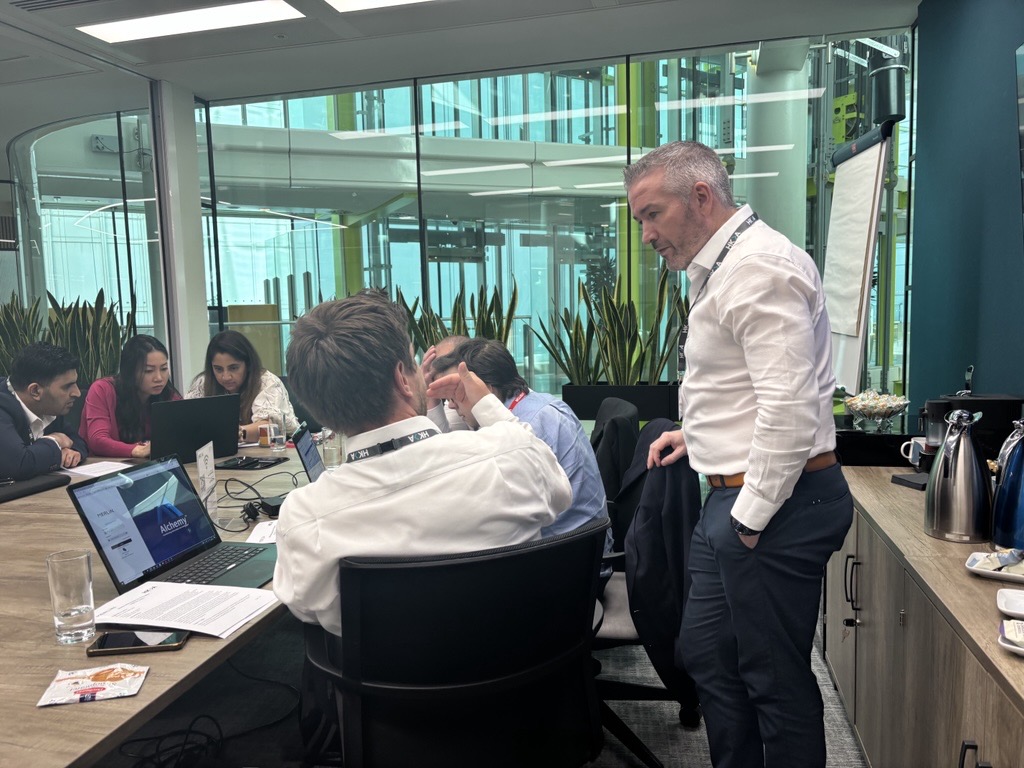
On July 2nd, HKA welcomed senior professionals from six global law firms and investigative consultancies to our London headquarters for the inaugural Hands-On AI Challenge, held in collaboration with Merlin Search Technologies. Designed and guided by HKA’s investigations team, the event explored how artificial intelligence could reshape the way complex investigations are conducted and highlighted the critical role of expert oversight in ensuring quality, accuracy, and risk mitigation.

The challenge was ambitious: each team was given access to 14,000 government documents related to the UK Post Office scandal, one of the most devastating institutional failures in British history. Under HKA’s direction, participants were tasked with answering sophisticated investigative questions using Alchemy’s AI-powered technology in just 45 minutes.

Rather than relying on traditional keyword searches and manual document review, teams engaged in question-based investigation. By posing natural language queries, they received comprehensive, citation-rich answers. The platform synthesised complex patterns, tracked institutional behaviours, and delivered insights with professional precision. The result? Multi-page reports that would typically take weeks to produce were completed in under an hour.

Throughout the challenge, HKA provided strategic guidance and emphasised the importance of expert involvement in AI-powered reviews particularly when navigating sensitive, high-stakes investigations. Our team highlighted the risks of misinterpretation, the need for professional judgment, and the value of structured oversight to ensure that AI tools enhance, not replace, critical thinking and investigative rigour.

The energy in the room was palpable. Initial scepticism quickly gave way to deep engagement and genuine excitement as participants realised they were experiencing the future of legal discovery. Every team succeeded in producing high-quality analyses, and the competitive evaluation was remarkably close demonstrating that AI has the power to amplify professional expertise across the board.

This wasn’t just a demo, it was a glimpse into the future of investigations, By combining cutting-edge AI with expert oversight, we’re showing how technology can accelerate insight without compromising rigour. The feedback from participants was clear: this is where the industry is heading, and HKA is proud to be leading the way.

Darren Mullins, Partner, HKA

This event marked a visible tipping point with many in the profession ready to move beyond search-based discovery. The shift toward answer-driven analysis is gaining momentum where AI tools deliver not just speed, but depth, accuracy, and strategic insight.

At HKA, we believe the future of investigations is already here and we’re proud to be guiding the profession through it.

X

Follow HKA on WeChat

关注我们的官方微信公众号

HKA WeChat